Anth 104 Introduction to Anthropology
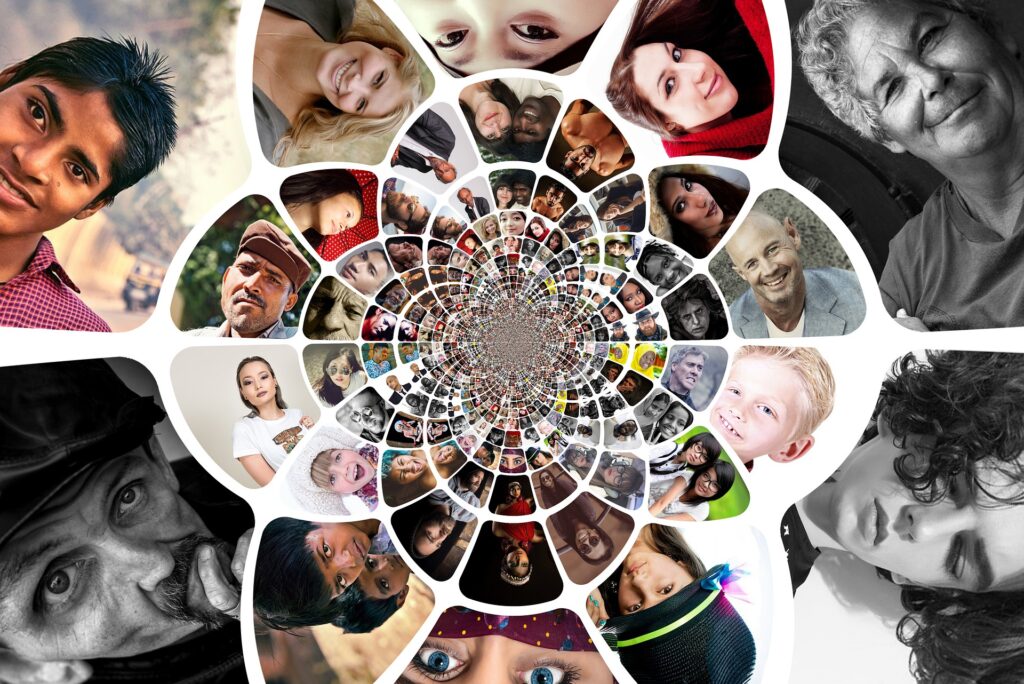
In this course, you’ll dive into the study of human beings—our origins, cultures, societies, and behaviors. We’ll explore what makes us human from four key perspectives: biological, cultural, linguistic, and archaeological anthropology. You’ll learn how anthropologists investigate everything from human fossils to modern social issues, gaining insight into diverse cultures, traditions, and ways of life across the globe.
Anth 110 Gender Across Cultures
In this course we’ll look at how societies define and understand gender roles, identities, and expectations, and how these have evolved over time. By the end, you’ll have a deeper understanding of how culture shapes our experiences of gender and how these dynamics influence our everyday lives.

Anth 204 Anthropology of Food
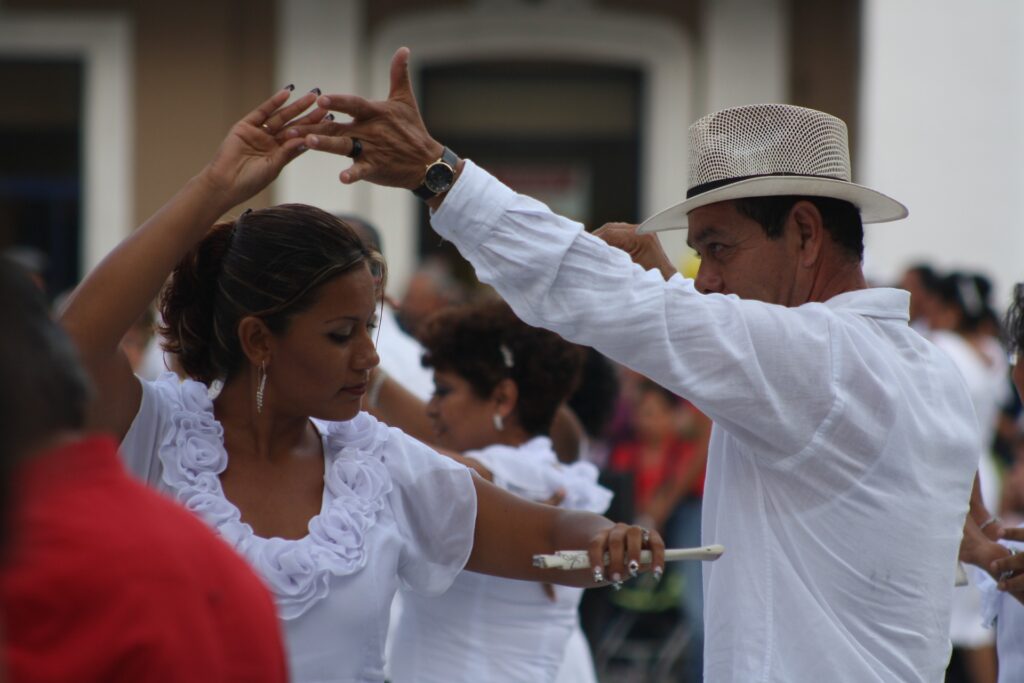
What and how humans eat influence our evolution, social complexity, environmental interactions, and political economies. Food defines ethnic identities and social classes, symbolizes beliefs, and structures division of labour, kinship, and gender. This survey course considers the interface between food and culture, in the past, the present and the future.
Anth 250 Forensic Anthropology
In this course, we’ll explore how forensic anthropologists use skeletal analysis to help solve crimes and identify human remains. We’ll cover basic anatomy, bone identification, bone analysis and discuss techniques used in real-world investigations to identify individuals. Case studies will include mass disaster work, crimes against humanity work and criminal cases.


Anth 270 Culture, Health and Illness
How do cultures define health and illness differently? How do societies respond to disease, mental health, and healing? Explore these questions and more in this course where you’ll examine the social and cultural dimensions of the body, health, illness, and medicine around the world.